
When is men’s mental health month? Most people are referring to June, because it aligns with Men’s Health Month, a major annual awareness period that commonly includes mental health education alongside physical health.
You may also see November referenced because Movember, a global men’s health campaign, runs during the month of November and includes mental health and suicide prevention efforts.
Early note for readers planning wellness support while traveling: at Siam Clinic, we often see travelers schedule check-ins after long-haul flights, intensive work trips, or a few late nights in Phuket’s tropical heat, when sleep, hydration, and mood can shift more than expected. If you are also looking to support energy and recovery, you may explore our physician-guided wellness options. → IV Drip Service
Why the “men’s mental health month” question has more than one answer
Unlike some observances that have one universally recognized month, men’s mental health awareness tends to be discussed inside broader men’s health campaigns and seasonal public-health initiatives.
Two reasons this happens:
- Men’s Health Month (June) is widely promoted and often becomes the umbrella for men’s mental health messaging.
- Movember (November) is a highly visible global campaign that includes mental health and suicide prevention, so people naturally associate November with men’s mental health too.

When is men’s mental health month in practice?
1) June: Men’s Health Month
Men’s Health Month is promoted as an annual health observance in June, and many clinics and organizations use it to talk about men’s mental wellbeing, stress, burnout, sleep, and help-seeking.
Practical ways June is used in real life:
- routine screening and checkups
- education on depression, anxiety, and substance use
- workplace wellbeing initiatives
- stigma reduction around therapy and support
2) November: Movember
Movember’s most visible activity is the campaign where participants grow moustaches and fundraise during the month of November, and it has been widely described in academic literature as a November campaign for men’s health.
Movember also highlights men’s mental health and suicide prevention as key focus areas.
Why men’s mental health deserves its own spotlight
Men are not “less emotional.” Many are simply trained to translate distress into something more socially acceptable, like pushing harder at work, isolating, or numbing with alcohol.
According to the U.S. National Institute of Mental Health, men may be less likely to recognize or talk about mental health symptoms, and they can show depression differently, including irritability or anger.
The same NIMH page also notes men die by suicide at higher rates in the U.S., underscoring why early support matters.
For further reading:
Common signs men may be struggling, even if they say “I’m fine”
Not everyone experiences anxiety or depression in the same way. Watch for patterns that persist for two weeks or longer, or that start interfering with daily life.
Emotional and behavioral signs
- irritability, short temper, or feeling “on edge”
- loss of interest in hobbies, exercise, or intimacy
- withdrawing from friends or family
- increased risk-taking or impulsive decisions
Body and performance signs
- sleep disruption (too little, too much, unrefreshing sleep)
- headaches, gut symptoms, persistent fatigue
- reduced concentration, “brain fog”
- increased use of alcohol or other substances
If any symptom is severe, escalating, or connected to thoughts of self-harm, urgent professional support is essential.
Travel wellness note: why mental health can feel different in Phuket
Phuket is beautiful, but travel can quietly strain mental wellbeing. A few real triggers:
- jet lag after long-haul flights
- dehydration in tropical climates
- disrupted routines (meals, movement, sleep)
- alcohol and late nights changing sleep quality
- pressure to “maximize the trip” even when exhausted
A simple travel-friendly reset plan (48 hours):
- Hydrate consistently (especially after flights, sun exposure, or alcohol)
- Anchor sleep with a fixed wake time for two mornings
- Eat protein + fiber early to stabilize energy
- Move gently (walk, light swim, mobility)
- Get daylight within 1 hour of waking
If someone wants structured support while visiting Phuket, Siam Clinic can guide wellness planning in a medically safe way based on individual needs, history, and goals.
What actually helps most: a realistic, medically safe framework
Mental wellness is rarely one “magic fix.” The most dependable approach is layered support:
Layer 1: Foundations that move the needle
- sleep consistency
- nutrition and hydration
- reducing alcohol
- regular movement
- stress regulation (breathing, mindfulness, journaling)
Layer 2: Assessment and tracking
- screening questionnaires
- medication review (some meds affect sleep or mood)
- blood work when appropriate (to rule out contributors like anemia or thyroid issues)
Layer 3: Professional support
- counseling or psychotherapy
- medical evaluation if symptoms are persistent or significant
- crisis support when safety is a concern
When we discuss cellular energy, recovery, or fatigue management with patients, we often reference broader wellness science that intersects with sleep quality and stress resilience. → NAD+
FAQ
When is men’s mental health month in 2026?
Most people will still reference June (Men’s Health Month) and often November (Movember campaign period).
Is there an official men’s mental health month worldwide?
There is no single universally standardized month globally. In practice, many communities use June and November as the main awareness windows.
Why do men show depression differently?
Men may be less likely to talk openly about sadness and may show depression through irritability, anger, or risk behaviors.
What are warning signs that need urgent attention?
Thoughts of self-harm, feeling unable to stay safe, severe substance use, or sudden major behavior changes. Use urgent medical services or crisis resources immediately.
Can travel make anxiety or low mood worse?
Yes. Jet lag, dehydration, heat, alcohol, and disrupted routines can all amplify symptoms, especially in the first few days of a trip.
Recommended Next Reads
- Men’s Mental Health Awareness Month 2026: Why Physical Health Matters
- Why More Travelers Choose IV Drip Phuket Services
Sources
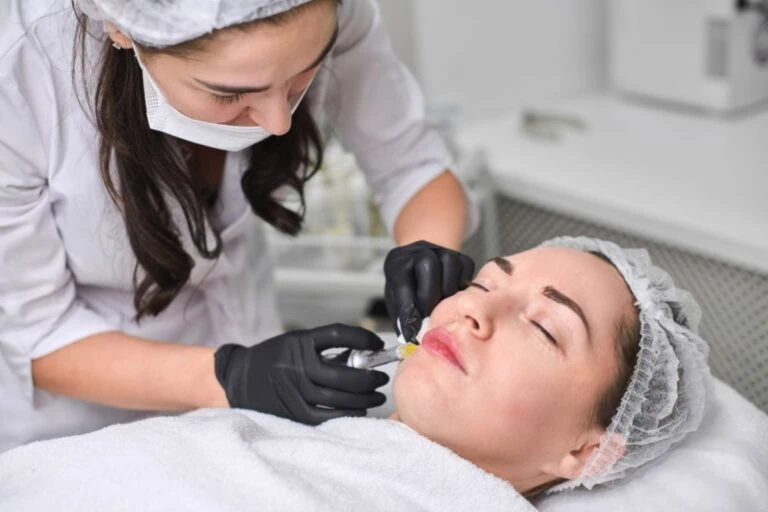
If you’re visiting Phuket and considering lip enhancement, Siam Clinic can support a calm, natural-looking plan with a doctor-led assessment, clear safety discussion, and aftercare guidance that fits your travel schedule.
Written by: Siam Clinic Editorial Team
Last updated: 28 January 2025
Medical Disclaimer
- This article is intended for educational and informational purposes only.
- It does not replace personalised medical advice, diagnosis, or treatment.
- Clinical decisions should always be made in consultation with a qualified healthcare professional.
Learn more about how we create and maintain medical content:
Medical Content Policy
Contact Siam Clinic Phuket
- phone : 088-488-6718 and 093-692-5999
- Email : info@siamclinicphuket.com
- Facebook inbox : https://m.me/siamclinicthailand
- Instagram : https://www.instagram.com/siamclinic
- Whatsapp : https://whatsapp.com