

The emergence of rare zoonotic diseases often brings a wave of concern and misinformation. Among these, the Nipah Virus stands out as a significant public health priority because of its high fatality rate and the complexity of its transmission. Understanding the reality of this virus is the first step in moving beyond fear and toward proactive awareness. While outbreaks are generally localized, the nature of the virus, moving from animals to humans, highlights the delicate balance of our ecosystem and the importance of global health vigilance.
Understanding the Roots of the Nipah Virus
The Nipah Virus (NiV) is a zoonotic virus, which means it is transmitted from animals to humans. It was first identified in 1999 following a severe outbreak among pig farmers in Malaysia and Singapore. Since that initial discovery, it has been recognized as a recurring threat in various parts of Asia, particularly in Bangladesh and India.
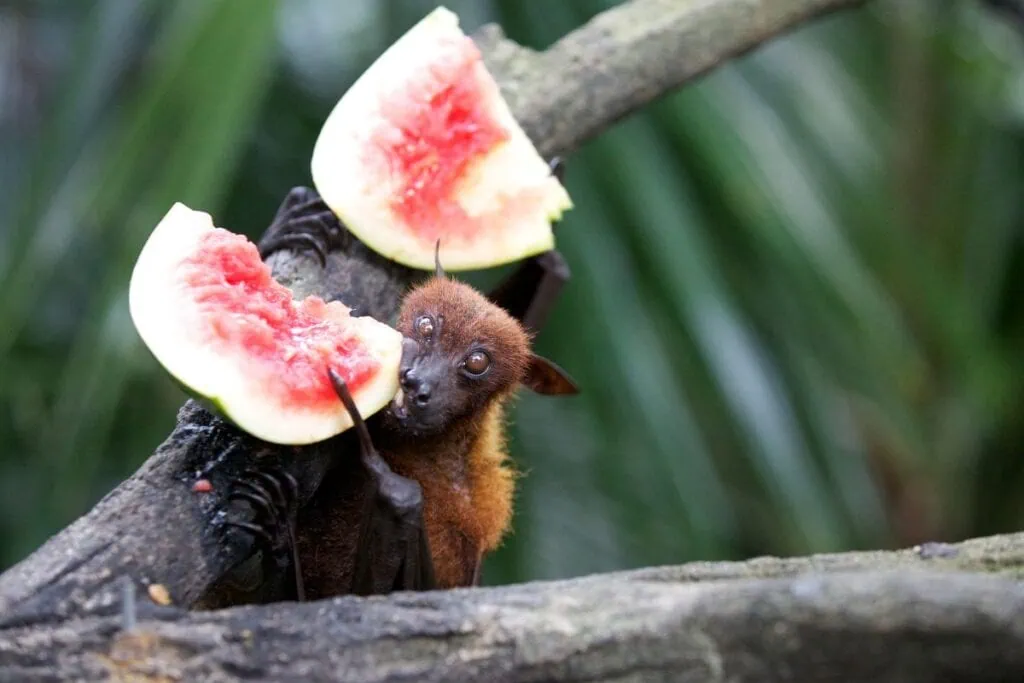
The virus belongs to the Henipavirus genus and is closely related to the Hendra virus. In nature, the primary hosts are fruit bats of the Pteropodidae family, commonly known as flying foxes. While these bats carry the virus, they do not fall ill themselves. This makes them efficient natural reservoirs that can spread the virus through their saliva, urine, and excrement without any visible signs of sickness.
The Geography of Risk
While the virus was first found in Malaysia, the patterns of outbreaks have shifted over time. In Bangladesh and India, outbreaks often occur seasonally. This timeline frequently aligns with the harvesting of date palm sap, which is a popular local delicacy. When bats feed on the sap or roost near the collection pots, they can contaminate the liquid that humans later consume. This ecological link demonstrates how human habits and animal habitats can intersect to create health risks.
How the Nipah Virus Spreads
Understanding how the virus moves is essential for effective prevention. Transmission typically occurs through three main pathways that involve direct and indirect contact.
Animal to Human Transmission
Direct contact with infected animals is a primary source of infection. In the original 1999 outbreak, pigs acted as intermediate hosts. They became infected by eating fruit contaminated by bat saliva and then passed the virus to farmers. In other cases, direct contact with the body fluids of infected bats, such as their blood or secretions, can lead to a jump from animal to human.
Contamination of Food Products
Consuming food products that have been contaminated by the secretions of infected fruit bats is a major concern. A common example is drinking raw date palm sap. According to research facilitated by the National Institutes of Health (NIH) the virus can survive in these fluids for a significant amount of time. Eating fruits that have been partially eaten by bats or have bat droppings on them also poses a high risk.
Human to Human Transmission
Close contact with the blood, urine, or respiratory secretions of an infected person can lead to the spread of the virus. This is often observed in family settings where caregivers are in constant contact with the patient. It is also a significant risk in healthcare environments where strict infection control measures, such as proper isolation and protective gear, are not consistently maintained.
Recognizing the Symptoms and Clinical Risks
The incubation period for the Nipah Virus, which is the time from infection to the onset of symptoms, usually ranges from 4 to 14 days. However, in some documented cases, this period has extended to as long as 45 days. Because the early symptoms are often non-specific, the virus can be difficult to diagnose in its initial stages.
Common Early Signs
Most individuals will first experience symptoms that resemble a severe flu. These may include:
- Persistent fever and intense headache
- Muscle pain, also known as myalgia
- Sore throat and frequent vomiting
- Dizziness and acute respiratory distress
Severe Neurological Complications
As the disease progresses, it can affect the central nervous system. This is the most dangerous phase and may lead to:
- Drowsiness or altered levels of consciousness
- Disorientation and mental confusion
- Seizures and tremors
- Coma within 24 to 48 hours for severe cases
It is important to note that some people may remain asymptomatic, showing no signs of illness at all. Conversely, others might experience a relapsing form of the disease where neurological issues appear months or even years after their initial recovery.
Who is Most at Risk of Infection?
While the general public in non-endemic areas is at a very low risk, certain groups and behaviors increase the likelihood of exposure.
- Residents of Endemic Regions: People living in areas with high fruit bat populations or known historical outbreaks are at a higher baseline risk.
- Agricultural and Livestock Workers: Specifically those working in pig farming or fruit harvesting where bats are present.
- Healthcare Providers: Doctors, nurses, and staff treating infected patients without adequate Personal Protective Equipment (PPE) face a high risk of secondary transmission.
- Consumers of Raw Produce: Individuals who consume raw date palm sap or unwashed fruits that may have been in contact with wildlife.
Prevention: Practical Steps for Protection
Currently, there is no specific vaccine for the Nipah Virus that is approved for human use. Therefore, prevention remains the most powerful tool for public health safety.
Personal Hygiene and Food Safety
Individual actions can significantly reduce the risk of infection. Simple habits can create a strong barrier against the virus:
- Wash Fruit Thoroughly: Always wash fruits and peel them before consumption. Avoid eating fruit that shows signs of bird bites or bat feeding.
- Avoid Raw Sap: If you are traveling to or living in endemic areas, avoid drinking raw date palm juice or sap.
- Maintain Hand Hygiene: Regular handwashing with soap and water is one of the simplest yet most effective ways to prevent various infections.
Livestock and Environmental Management
For those who live near bat habitats or work with animals, environmental control is key. This includes ensuring that animal pens are covered to prevent bat droppings from entering the area. It also involves discouraging bats from roosting near human dwellings or agricultural sites.
Current clinical guidance from reputable health organizations emphasizes that early supportive care can improve the chances of survival. This includes keeping the patient hydrated and treating specific symptoms like fever or seizures as they arise.
Common Questions About the Nipah Virus
1. How is this virus different from the seasonal flu?
While both can start with fever and aches, the Nipah Virus has a much higher fatality rate and a greater likelihood of causing brain inflammation. The flu is primarily a respiratory virus, whereas Nipah is a systemic virus that frequently targets the neurological system.
2. Can I get the virus from eating meat?
Transmission through meat is rare but possible if the meat is from an infected animal like a pig and is not cooked properly. High heat effectively kills the virus, so ensuring that all meat products are thoroughly cooked is a vital safety measure.
3. Is there a specific treatment or cure?
There is no specific antiviral drug designed to cure NiV. Treatment is “supportive,” meaning doctors focus on managing the symptoms and keeping the body’s vital functions stable while the immune system fights the virus.
4. Should I be worried about a global pandemic?
The World Health Organization (WHO) monitors Nipah closely because of its potential to cause epidemics. However, because it typically requires close contact with body fluids to spread, it does not move as easily through the air as viruses like COVID-19. Modern health systems are also much more prepared to contain these outbreaks.
5. Can the virus spread through water?
There is no strong evidence that the virus spreads through municipal water systems. The primary concern is localized contamination of standing water or sap containers by bats in specific environments.
Staying Informed and Safe
The Nipah Virus serves as a reminder of the importance of the One Health approach, which recognizes that the health of people is closely connected to the health of animals and our shared environment. While the statistics regarding the virus can be intimidating, the risk to the average individual remains very low, especially when proper food hygiene and awareness are maintained.
Staying informed through credible sources is the best way to navigate health concerns without unnecessary anxiety. If you are planning to travel to regions where the virus is endemic, or if you work in an industry with potential exposure, following the preventive measures outlined in this guide can provide significant protection.
If you have concerns about specific symptoms or feel you may have been exposed to a zoonotic illness, consulting a qualified medical professional or an infectious disease specialist is the most responsible course of action. Results and risks vary by individual, and professional guidance is always recommended for specific health situations.
Recommended Next Reads
- ทำความรู้จัก ‘ไวรัสนิปาห์’ (Nipah virus) ภัยเงียบใกล้ตัว พร้อมวิธีป้องกันที่ถูกต้อง
- โรคที่มักเกิดขึ้นหลังแผ่นดินไหวในญี่ปุ่น
- ไข้หวัดธรรมดา ไข้หวัดใหญ่ และโควิด-19 ต่างกันอย่างไร?
Sources
- World Health Organization (WHO) – Nipah Virus Fact Sheet
- National Library of Medicine – Henipavirus Research
Written by: Siam Clinic Editorial Team
Last updated: 2 February 2026
Medical Disclaimer
- This article is intended for educational and informational purposes only.
- It does not replace personalised medical advice, diagnosis, or treatment.
- Clinical decisions should always be made in consultation with a qualified healthcare professional.
Learn more about how we create and maintain medical content:
Medical Content Policy
Contact Siam Clinic Phuket
- phone : 088-488-6718 and 093-692-5999
- Email : info@siamclinicphuket.com
- Facebook inbox : https://m.me/siamclinicthailand
- Instagram : https://www.instagram.com/siamclinic
- Whatsapp : https://whatsapp.com