
If you’ve searched for liver detox, liver detoxification, liver cleanse, or how to detox your liver, you’ve probably seen strict cleanses and dramatic claims. The truth is calmer and more useful: your liver already detoxifies every day through normal metabolic processes. What tends to work is supporting the basics that keep those processes running smoothly, especially hydration, sleep quality, balanced nutrition, and sensible alcohol decisions.
If you’re in Phuket and want a more structured recovery routine during travel, Siam Clinic also provides clinician-supervised hydration and antioxidant wellness support designed to complement healthy habits, not replace them. → Dehydration Therapy – Siam Clinic Thailand
At a glance : Your liver detoxifies continuously. The most reliable “detox” support is hydration, sleep, protein and fiber at meals, and reduced alcohol. Extreme fasting and unregulated detox products often do more harm than good. If you want added support, consider clinician-guided wellness only after appropriate screening.
What “Liver Detoxification” Actually Means
“Detox” is often used as a marketing word. Medically, detoxification refers to how the body transforms substances through biochemical pathways so they can be used safely or eliminated.
A practical way to interpret “liver cleanse” is not as a one-time purge, but as a short period of:
- reducing common stressors (alcohol, ultra-processed foods, sleep deprivation)
- restoring basics (hydration, nutrition, rhythm)
- supporting digestion and metabolic balance
Most people are not asking for a perfect liver. They simply want to feel clear, light, and energetic again.
What Works: A Safer, Evidence-Aligned Liver Detox
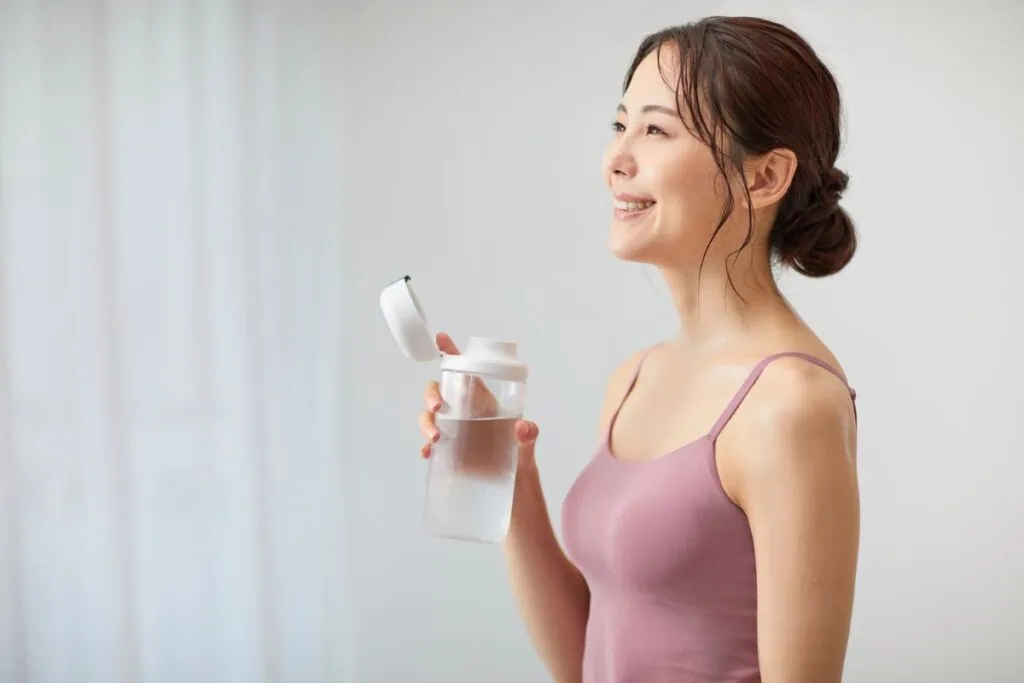
1) Hydration That Matches Real Life
Hydration is one of the simplest ways to support how you feel. In tropical climates like Thailand, dehydration can build quickly with heat, sun exposure, long beach days, and alcohol.
Simple hydration habits that help:
- drink water soon after waking
- add electrolytes after heavy sweating or long flights
- alternate water between alcoholic drinks
- use fruit and soups as “hydration foods” when appetite is low
Why it matters: headaches, sluggishness, and dull skin are often hydration and sleep issues, not “toxins.”
2) Sleep and Rhythm Reset (Especially After Travel)
Jet lag and late nights can disrupt appetite, energy, and digestion. Many travelers in Phuket feel “inflamed” or “heavy” simply because sleep, meal timing, and hydration have shifted.
A gentle 2–3 day reset:
- get morning sunlight within 30 minutes of waking
- eat a protein-forward breakfast
- keep dinner earlier and lighter
- walk daily (even 15–20 minutes helps)
- reduce alcohol until sleep normalizes
Whether someone is recovering from a long-haul flight or a late beach club night, this routine often improves energy faster than any cleanse kit.
3) Food-First Liver Support (No Extreme Restriction)
A liver cleanse does not need to mean starvation. Extreme restriction can increase stress, worsen sleep, and reduce nutrient intake.
A balanced, liver-friendly pattern:
- Protein: eggs, fish, tofu, chicken, Greek yogurt
- Fiber: vegetables, berries, legumes, oats, chia
- Healthy fats: olive oil, nuts, avocado
- Cruciferous vegetables: broccoli, cabbage, kale (helpful additions, not a miracle)
A practical rule:
- build meals around protein plus vegetables, then add fiber-rich carbs as needed.
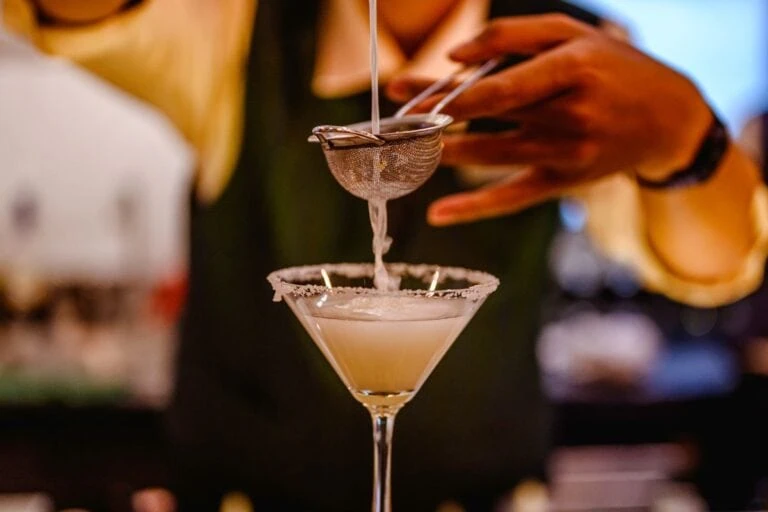
4) Alcohol Is Often the Biggest “Detox” Factor
If your goal is to support the liver, alcohol is one of the most meaningful levers. Even short breaks can improve sleep and hydration, which directly affects how you feel.
Premium, realistic guidance:
- choose alcohol-free days during your trip
- avoid drinking after heavy heat exposure or dehydration
- prioritize sleep on any day you do drink
For a credible public health reference on alcohol-related liver risk:
NIDDK: Alcohol-Associated Liver Disease
Glutathione and Liver Detoxification: What the Research Suggests
Glutathione is a key antioxidant involved in cellular defense against oxidative stress. It is widely discussed in research related to liver health contexts, particularly around antioxidant status and cellular balance.
A safe way to frame glutathione:
- it is not a “toxin sponge”
- it supports antioxidant balance
- it may be relevant in some wellness contexts, but outcomes vary by individual
For reliable reference : NCBI (PMC): Review on glutathione changes in liver disease
When clients explore antioxidant wellness support, it often sits alongside sleep and hydration recovery.
→ Liver Detoxification Therapy
Detox Myths vs Reality: What Often Beats Capsules Alone
Many “liver detox supplements” are marketed with big promises, but quality and interactions vary, and strong claims are not always matched by strong evidence.
What commonly works better than capsules alone is consistent recovery habits:
- hydration
- sleep alignment
- protein plus fiber at meals
- alcohol reduction for a few days
Here is a practical comparison.
| Method | Best For | Pros | Limitations |
|---|---|---|---|
| Lifestyle reset (hydration, sleep, food) | Most people | Safe, sustainable, supports whole-body wellbeing | Requires consistency |
| Oral supplements | Selected situations | Convenient, may help if deficiency exists | Quality varies, absorption varies, interactions possible |
| Clinician-supervised hydration and antioxidant support | Travel depletion, recovery support | Monitored, tailored, often feels supportive quickly | Not a “cleanse,” not for everyone, requires screening |
In travel-heavy weeks, the best “liver detox” plan is often the one you can actually maintain.
Liver Detoxification Safety: Who Should Avoid It and Why
A premium clinic approach begins with screening. Detox is never one-size-fits-all.
Seek medical guidance before aggressive detox programs if you:
- have known liver disease or suspect liver issues
- are pregnant or breastfeeding
- have kidney disease or significant heart conditions
- take multiple medications and are unsure about interactions
- have warning signs such as jaundice, persistent abdominal pain, or dark urine
For reliable reference : NIDDK: Liver disease
What to avoid in most cases:
- extreme fasting that causes dizziness or dehydration
- unregulated detox products with unclear ingredients
- stacking many herbs or supplements at once without guidance
At Siam Clinic, any wellness support should be conservative, personalized, and designed around safety.
Side Effects: What’s Normal and What’s Not
When people change habits quickly, mild adjustment symptoms can happen. These are often related to hydration shifts, caffeine changes, alcohol reduction, or increased fiber.
Often mild and temporary:
- headache (hydration or caffeine changes)
- fatigue (sleep debt, reduced alcohol, under-eating)
- digestive changes (more fiber, different meal timing)
Not normal, pause and seek medical care:
- severe abdominal pain
- persistent vomiting
- fainting or confusion
- yellowing of eyes or skin
- dark urine plus pale stools
A supportive plan should feel steady and calm, not punishing.
Preparing for Liver Detoxification: What to Eat, Drink, Avoid
If you want a travel-friendly reset that stays safe, use this simple preparation routine for 48–72 hours.
A gentle 3-step prep
- Hydrate early
- water soon after waking
- electrolytes after heavy sweating or flights
- Prioritize protein and plants
- protein at each meal
- vegetables at least twice a day
- fruit for fiber and micronutrients
- Reduce common disruptors
- alcohol (pause 2–3 days if possible)
- very late dinners
- ultra-processed snacks and sugary drinks
Easy choices while in Phuket:
- grilled fish with vegetables
- soups with lean protein
- papaya with yogurt
- stir-fried greens with tofu or chicken
Liver Detoxification Aftercare: Do’s, Don’ts, and Timing
Aftercare keeps the benefits feeling consistent, especially during travel.
Do (first 24–48 hours):
- keep hydration steady
- choose lighter dinners
- walk daily, gentle movement is enough
- prioritize sleep
Don’t:
- return immediately to heavy drinking
- add multiple new supplements at once
- push intense workouts if you feel depleted
Timing guide:
- alcohol: ideally wait 48–72 hours if your goal is recovery support
- exercise: light movement anytime, intense workouts when well-rested and well-hydrated
FAQ
How to detox your liver naturally without harsh cleanses?
Hydration, sleep, balanced meals with protein and fiber, and reducing alcohol are the most reliable foundations.
Does a liver cleanse remove toxins instantly?
No. The liver detoxifies continuously. “Instant detox” claims are generally marketing, not physiology.
Are liver detox supplements necessary?
Not for most people. Supplements can be appropriate in select situations, but interactions and quality vary.
What does glutathione do?
It supports antioxidant balance and is discussed in research related to oxidative stress. It is not a miracle cleanse.
Why do travelers feel worse after flights?
Often dehydration, sleep disruption, and inconsistent meals. A structured recovery routine usually helps quickly.
When should I speak to a medical professional?
If you have chronic conditions, take multiple medications, or have warning signs such as jaundice, persistent abdominal pain, severe weakness, or ongoing vomiting.
Recommended Next Reads
- 7 Signs Your Body May Need a Liver Detox
→ https://siamclinicthailand.com/en/blog/7-signs-your-body-may-need-a-liver-detox
Sources
- NCBI Bookshelf: Physiology, Liver (StatPearls)
→ https://www.ncbi.nlm.nih.gov/books/NBK535438/ - NCBI (PMC): Review on glutathione changes in liver diseases
→ https://pmc.ncbi.nlm.nih.gov/articles/PMC7997318 - NIDDK: Liver disease overview
→ https://www.niddk.nih.gov/health-information/liver-disease
If you’re visiting Phuket and would like personalized, travel-friendly wellness guidance during your stay, Siam Clinic’s medical team can help you build a safe plan that fits your schedule, goals, and health history with a calm, responsible approach.
Written by: Siam Clinic Editorial Team
Last updated: 5 December 2026
Medical Disclaimer
- This article is intended for educational and informational purposes only.
- It does not replace personalised medical advice, diagnosis, or treatment.
- Clinical decisions should always be made in consultation with a qualified healthcare professional.
Learn more about how we create and maintain medical content:
Medical Content Policy
Contact Siam Clinic Phuket
- phone : 088-488-6718 and 093-692-5999
- Email : info@siamclinicphuket.com
- Facebook inbox : https://m.me/siamclinicthailand
- Instagram : https://www.instagram.com/siamclinic
- Whatsapp : https://whatsapp.com