Reviewed by Dr. Phimphakarn Tantithummawong — M.D., Aesthetic Specialist, 15 Years of Experience
Last reviewed: April 2026
Quick answer: The Myers’ Cocktail is an IV infusion of B vitamins, vitamin C, magnesium, and calcium — developed in the 1970s by Dr. John Myers. It has the most evidence for conditions like fibromyalgia, migraines, and fatigue. For healthy people, benefits are real but modest — mainly faster absorption than oral supplements. Blood work first is always the smarter approach.
- Contains B-complex, vitamin C, magnesium, and calcium delivered intravenously
- Best evidence exists for fibromyalgia, chronic fatigue, migraines, and asthma attacks
- IV delivery bypasses gut absorption — clinically useful when deficiency is confirmed
- For people with normal levels, benefit over oral supplements is limited
- A 30–45 minute drip; generally safe, mild side effects possible
You’ve probably seen IV drip lounges popping up everywhere — in wellness spas, hotel lobbies, maybe even your gym. The Myers’ Cocktail is almost always the centerpiece of the menu. And the marketing is hard to ignore: energy, immunity, glow, recovery, detox.
Here’s what I actually think about it — after 15 years of practice and a lot of patients asking me whether it’s worth it.
What’s actually in it — the ingredient list, plainly explained
The Myers’ Cocktail IV isn’t a mysterious proprietary formula. It’s a straightforward combination of nutrients your body already uses every day — delivered directly into your bloodstream instead of through your digestive system.
The classic formula
Think of it as a precision delivery system. Instead of swallowing a handful of supplements and waiting for your gut to sort them out, each ingredient goes straight where it needs to go:
- B-complex vitamins (B1, B2, B3, B5, B6) — the engine room of your energy metabolism; every cell uses these to convert food into usable fuel
- Vitamin B12 (hydroxocobalamin) — critical for nerve function and red blood cell production; deficiency here shows up as fatigue, brain fog, and tingling in the extremities
- Vitamin C (ascorbic acid) — immune support, collagen synthesis, and one of the body’s primary antioxidants
- Magnesium chloride — involved in over 300 enzymatic reactions; particularly important for muscle relaxation, migraine prevention, and sleep quality
- Calcium gluconate — supports neuromuscular signaling and cardiac function
- Sterile saline — the carrier fluid that keeps everything at the right concentration and delivers it safely
The formula was developed by Dr. John Myers, a Baltimore physician, in the 1960s and 70s. After his death, Dr. Alan Gaby, MD — one of the pioneers of nutritional medicine — refined the protocol and published the most comprehensive clinical review of its use in 2002. The formulation you’ll see today at any reputable clinic is largely based on Gaby’s work.
Why IV instead of just taking supplements?
Honestly, this is the question I get most often — and my answer is more nuanced than most clinics will tell you.
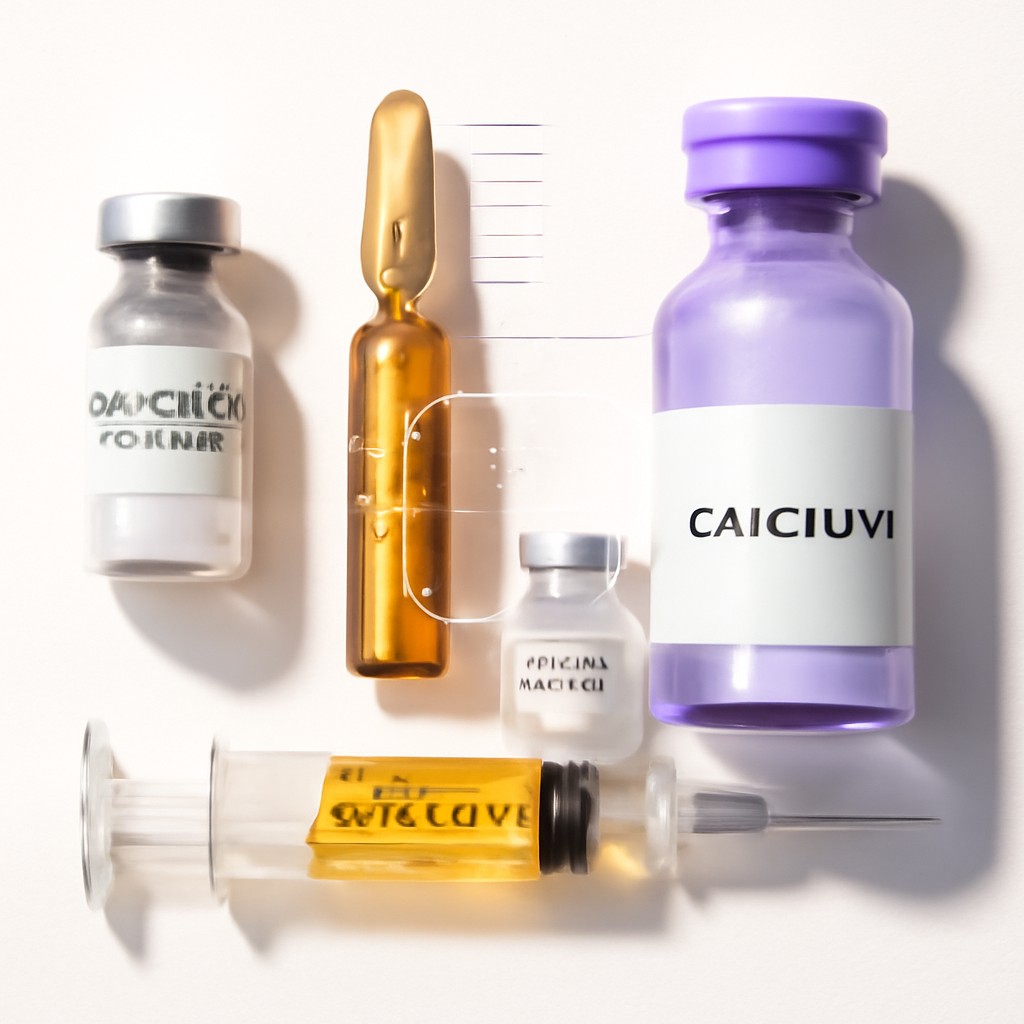
There’s a real physiological argument for IV delivery: your gut absorbs nutrients imperfectly, and absorption efficiency drops further when you’re sick, stressed, or dealing with any digestive condition. When nutrients go directly into the bloodstream, you bypass all of that. A 1000mg oral vitamin C dose might result in 200mg actually getting absorbed; the same dose IV delivers 100% bioavailability.
That matters — when there’s actually a deficiency to correct.
Here’s where I ask patients to be honest with themselves. If you have documented low magnesium, B12, or vitamin C on blood work, IV therapy closes that gap faster and more reliably than oral supplements. If you have Crohn’s disease, IBS, or you’ve had bariatric surgery and your gut absorption is genuinely compromised, IV makes clinical sense.
But if your levels are normal and you’re basically healthy? The vitamins you give IV that your body doesn’t need — particularly the water-soluble ones like B vitamins and vitamin C — leave through your kidneys within hours. You’re producing expensive, impressively colourful urine. The magnesium and calcium will have some short-term benefit, but the case for routine IV over quality oral supplementation is thinner than the wellness industry would like you to believe.
IV therapy wins when there’s something to correct. For genuine optimization in healthy people, fix your sleep first.
Who actually benefits — and who’s probably wasting their money
This is where I think most Myers’ Cocktail content gets it wrong. Everyone lists “who might benefit” in a way that covers basically every adult alive. I’d rather give you a clearer picture.
Stronger clinical case
These are the situations where I’d lean toward recommending a Myers’ Cocktail IV without hesitation:
- Confirmed vitamin or mineral deficiency on blood work — this is the strongest case; the drip is doing real corrective work
- Malabsorption conditions — Crohn’s, IBS, post-bariatric surgery; your gut can’t do the job, so IV bypasses the problem
- Chronic fatigue or fibromyalgia — Dr. Gaby’s 2002 review in Alternative Medicine Review showed consistent symptom improvement across patient series; this remains the best-evidenced use case
- Frequent migraines — magnesium IV has solid evidence as an acute intervention; several randomized trials support IV magnesium for acute migraine attacks specifically
- Post-illness recovery — post-COVID fatigue, prolonged viral illness; the nutritional demand of fighting a serious infection genuinely depletes stores
- Severe hangover — rehydration combined with B vitamins and magnesium genuinely accelerates recovery; this one actually works
Limited clinical case (be honest with yourself)
These are situations where I’d push back before reaching for an IV:
- Normal blood work, healthy diet, no symptoms — the marginal benefit over a quality oral multivitamin is real but small; not worth the needle
- Routine “immune boost” in a healthy person — this isn’t how immune function works; your immune system isn’t sitting around waiting for more vitamin C
- “Detox” — your liver and kidneys handle detoxification continuously and efficiently; no IV speeds that process up in any meaningful way
- Athletic performance enhancement in a well-nourished athlete — if your labs are already optimal, more nutrients don’t translate to better performance
None of this means IV therapy is useless for wellness. It means the conversation should start with your actual lab values, not with what sounds appealing on a wellness menu.
What the research actually says
The most comprehensive clinical review of Myers’ Cocktail IV use is Dr. Alan Gaby’s 2002 paper published in Alternative Medicine Review (PubMed PMID 12410623). It’s worth understanding what that paper actually showed — and what it didn’t.
Gaby reviewed his own clinical experience with over 15,000 Myers’ Cocktail treatments across a range of conditions. The results were consistently positive for fibromyalgia, chronic fatigue syndrome, migraines, and acute upper respiratory infections. Patients with these conditions — particularly those with documented nutrient depletion — showed meaningful symptom improvement.
Here’s the honest caveat: most of the supporting evidence is observational or from small uncontrolled series. There is no large-scale, double-blind, randomized controlled trial comparing the Myers’ Cocktail to targeted oral supplementation in healthy adults. The wellness industry often presents this treatment as more evidence-backed than the research actually supports at that level.
My read: for conditions with documented deficiency or established clinical indications — fibromyalgia, migraines, post-illness recovery, malabsorption — the evidence is reasonably strong and clinically useful. For general wellness optimization in healthy people with normal labs, the evidence base is thinner. Consider getting bloodwork done first — then the decision becomes a lot clearer.
What to expect during a session at Siam Clinic
Practically speaking, a Myers’ Cocktail IV session is straightforward and comfortable for most people.
You’ll sit in a reclining chair. A nurse inserts a small IV cannula — usually in the forearm — and the drip runs over 30 to 45 minutes. The rate is deliberately slow; pushing it faster increases the risk of a blood pressure drop or uncomfortable flushing, particularly from the magnesium. This is not a procedure you want rushed.
Most patients notice a mild warmth when the magnesium begins flowing — that’s completely normal and passes quickly. Some people notice a brief metallic or sulfur-like taste from the B vitamins; this is harmless and typically lasts only seconds. A small number of patients feel slightly lightheaded if the drip rate is too fast — the nurse will slow it down if that happens.
After the session, there’s no downtime. Most patients go straight back to their day. Many report feeling more energized within a few hours; others notice the difference the following morning.
What separates a physician-led IV clinic from a walk-in drip bar: at Siam Clinic, I recommend a consultation and baseline lab panel before your first session. That way, we’re delivering what your body actually needs — not just running a standard formula and hoping something sticks.
Pricing at Siam Clinic (as of April 2026)
The Mayer’s Cocktail II IV drip is available as a single session or in a 3-session package for patients who want regular wellness maintenance. Prices are in THB; USD equivalents are approximate and fluctuate with exchange rates.
- Single session: available at current clinic rates — ask at reception or during your consultation
- 3-session package: reduced per-session rate for regular users
- Korean Glutathione 600mg add-on: can be added as a push at the end of your session for additional antioxidant support and skin-brightening effect — priced separately
Pricing current as of April 2026. For exact figures, confirm at the time of booking as packages and promotions may vary.
My honest take — when I recommend it, and when I don’t
After 15 years of practice, here’s what I actually tell patients who ask about Myers’ Cocktail IV therapy.
If you come in with blood work showing low B12, depleted magnesium, or deficient vitamin C — the drip makes clear sense. We’re correcting something real. If you’re genuinely run-down after a long illness, an international flight, or a serious bout of COVID — a single session is a reasonable shortcut to feeling functional again faster than oral supplements would manage.
If you’re a healthy person with a good diet and decent sleep, hoping to “boost” or “optimize” or “detox” — I’ll be direct with you: fix your sleep first. Eat more vegetables. Reduce your alcohol intake. No IV drip will outperform the basics, and I’d rather tell you that upfront than take your money for something that won’t move the needle.
The patients I see get the most out of Myers’ Cocktail IV are the ones whose labs give us a clear target. That’s why I always recommend we start with blood work — it turns a guessing game into a real clinical decision.
Frequently Asked Questions
How long does a Myers’ Cocktail IV session take?
A standard Myers’ Cocktail infusion takes 30 to 45 minutes. The drip rate is intentionally kept slow — pushing the nutrients in too quickly can cause a blood pressure drop or an intense flushing sensation, especially from the magnesium. You sit in a reclining chair throughout, and most patients read, scroll their phone, or simply rest. There’s no downtime afterward; you can go straight back to your normal activities.
How often should I get a Myers’ Cocktail IV?
Frequency depends on why you’re getting it. For chronic fatigue or fibromyalgia, weekly or bi-weekly sessions are commonly used during an active treatment phase, then spaced out to monthly maintenance once symptoms stabilize. For general wellness or travel recovery, once a month is typical. For post-illness rehydration or hangover recovery, a single session is usually sufficient. I recommend reassessing with blood work every three months to make sure the protocol still matches what your body needs.
Is the Myers’ Cocktail safe during pregnancy?
Not without specific physician approval. Several ingredients — particularly high-dose vitamin C and magnesium — require careful dosing during pregnancy, and the risk-benefit calculation is different than for non-pregnant patients. If you’re pregnant or actively trying to conceive, this is not a routine wellness drip you should start on your own initiative. Discuss your specific situation with your OB and a physician before pursuing any IV therapy during this time.
Can I add glutathione to my Myers’ Cocktail?
Yes — and it’s one of the most common add-ons I see. Glutathione is typically delivered as a slow “push” at the end of the Myers’ Cocktail session, after the main drip has finished. It’s a potent antioxidant that many patients add for skin brightening, general antioxidant support, or post-illness recovery. It’s not part of the classic Myers’ formula — it’s a separate add-on. At Siam Clinic, we offer Korean Glutathione 600mg as an optional addition to any IV session.
What does a Myers’ Cocktail IV feel like?
The experience is generally comfortable and relaxing. Most patients notice a mild warmth — sometimes described as a wave of warmth from the inside — when the magnesium begins infusing; this is normal and fades within a minute or two. Some people briefly notice a metallic or sulfur-like taste from the B vitamins; it passes in seconds and is completely harmless. A small number of patients feel slightly lightheaded if the drip runs too fast. Most people feel calm and rested during the session, and many report noticeably improved energy within a few hours to the following morning.
What’s the difference between a Myers’ Cocktail and a plain vitamin C IV?
A plain vitamin C IV delivers only ascorbic acid — typically at much higher doses than what’s in a Myers’ Cocktail, often in the 5g to 25g range for immune and antioxidant applications. The Myers’ Cocktail is a multi-nutrient formula: B vitamins, magnesium, calcium, and vitamin C working together to address energy metabolism, nerve function, and immune support simultaneously. High-dose vitamin C IVs are a separate clinical protocol with different indications — primarily high-intensity antioxidant support or specific immune applications. They’re not interchangeable.
Do I need blood work before getting a Myers’ Cocktail IV?
I strongly recommend it — especially for first-time patients. Blood work tells us whether you’re actually deficient in the nutrients being delivered, which is what determines whether the drip will have a meaningful clinical effect. Without labs, you’re essentially guessing. At Siam Clinic, we check B12, magnesium, vitamin D, and a basic metabolic panel before designing your first IV protocol. This is what separates physician-led IV therapy from a walk-in drip bar, and it’s the approach I think every patient deserves.
Is the Myers’ Cocktail FDA-approved?
No — the Myers’ Cocktail is not FDA-approved as a specific formulation. The individual components (B vitamins, vitamin C, magnesium, calcium) are all approved for intravenous use, but the specific combination as a “cocktail” is compounded by pharmacies and administered off-label. This is standard, accepted clinical practice and legal in both the United States and Thailand. That said, patients should be aware they’re receiving a compounded preparation, not a formally approved drug product — which is one more reason physician oversight and proper patient assessment matters.
Related Services
Mayer’s Cocktail II IV Drip is Siam Clinic’s standard formulation of the classic Myers’ protocol — available as a single session for one-time recovery needs or as a 3-session package for patients who want regular wellness maintenance. The formulation follows the established Gaby protocol: B-complex vitamins, B12, vitamin C, magnesium, and calcium in a sterile saline carrier. You can find full session details on our IV therapy page.
The most commonly requested complement to the Myers’ Cocktail is the Korean Glutathione 600mg add-on — delivered as a slow push at the end of your drip session. Glutathione is one of the body’s primary endogenous antioxidants, and IV delivery ensures full bioavailability in a way that oral glutathione supplements cannot reliably achieve. Patients typically add it for antioxidant support, skin brightening, or post-illness recovery. It’s a natural pairing with the Myers’ formula without complicating or lengthening the session significantly.
Before any IV therapy, I recommend a baseline lab panel covering B12, magnesium, vitamin D, and a basic metabolic screen. Without knowing your actual levels, we’re running a standard formula against an unknown target — which is exactly the approach I think patients deserve to avoid. A targeted lab panel means the protocol is designed around your specific needs rather than a generic menu item. Details on our available lab tests are here.
Not sure if a Myers’ Cocktail is right for you? Book a brief consultation — we’ll review your symptoms and, if appropriate, run baseline labs before recommending any IV protocol.
📚 References & Evidence (for those interested)
- Gaby AR. Intravenous nutrient therapy: the “Myers’ cocktail.” Alternative Medicine Review. 2002;7(5):389–403. PubMed PMID: 12410623.
- Mauskop A, Altura BT, Cracco RQ, Altura BM. Intravenous magnesium sulfate rapidly alleviates headaches of various types. Headache. 1996;36(3):154–160.
- Merck Manual Professional Edition — Intravenous Fluid Therapy overview (general IV pharmacology reference).
- Endocrine Society Clinical Practice Guidelines on vitamin D deficiency (2011, updated 2024) — for context on documented deficiency thresholds.
Medical disclaimer: This article provides general information for educational purposes and is not personalized medical advice. Treatment decisions should be made after consultation with a physician who has examined you and reviewed your relevant medical history. Individual results vary. Siam Clinic provides the treatments discussed in this article.